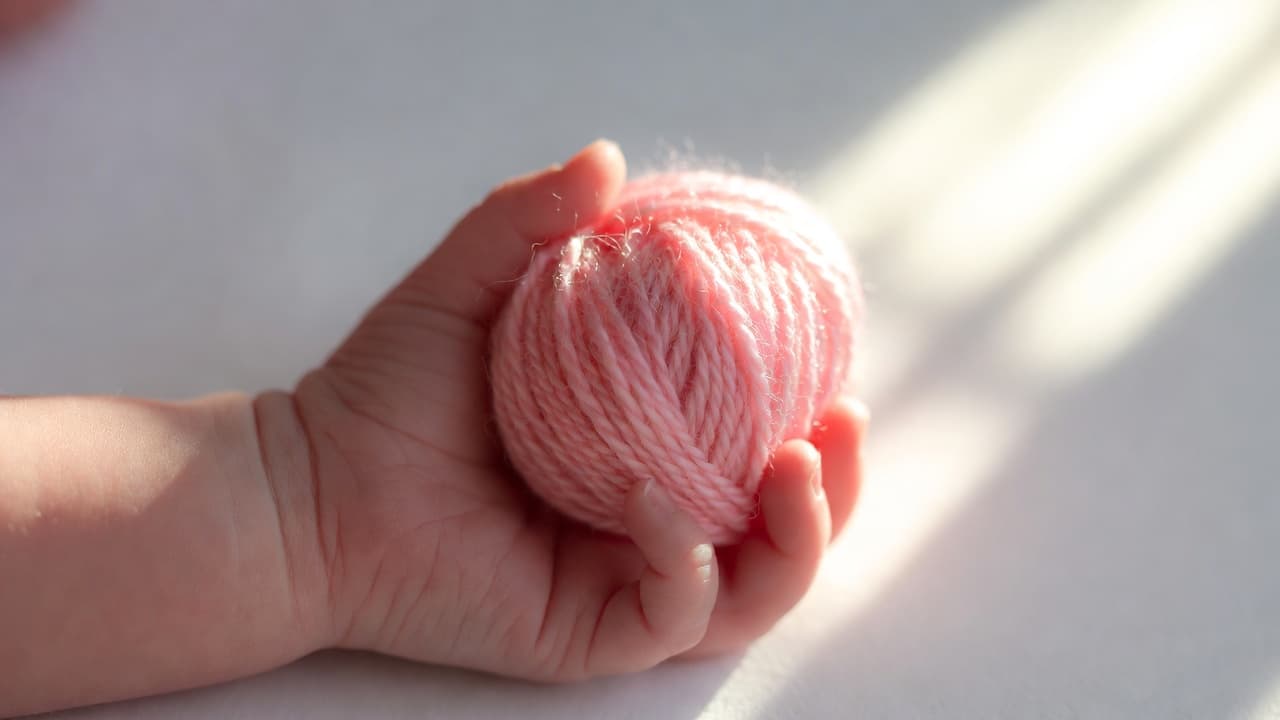
Baby Yarn vs Regular Yarn: Key Differences for Infant Safety
Baby yarn is ultra-soft, hypoallergenic, and flame-resistant; regular yarn may contain acrylic and be flammable. This guide explains why baby yarn is...
Artikel und Einblicke von Sullivans International.
Artikel und Einblicke in dieser Spalte.
Baby yarn is ultra-soft, hypoallergenic, and flame-resistant; regular yarn may contain acrylic and be flammable. This guide explains why baby yarn is...

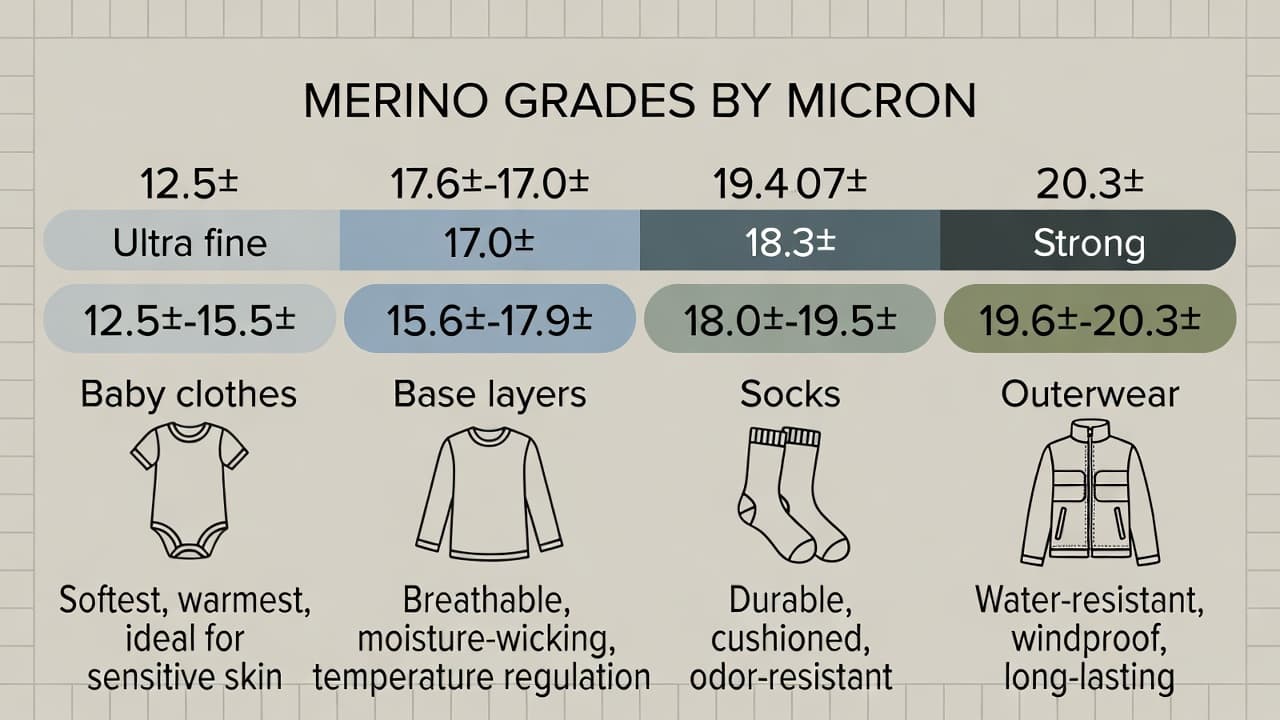
Merino wool grade is driven by micron count: ultra fine (12–15μ) to strong (20–23μ). This guide expl...

The best wool yarn for crochet hats depends on warmth, comfort, and budget. Merino is soft and stret...

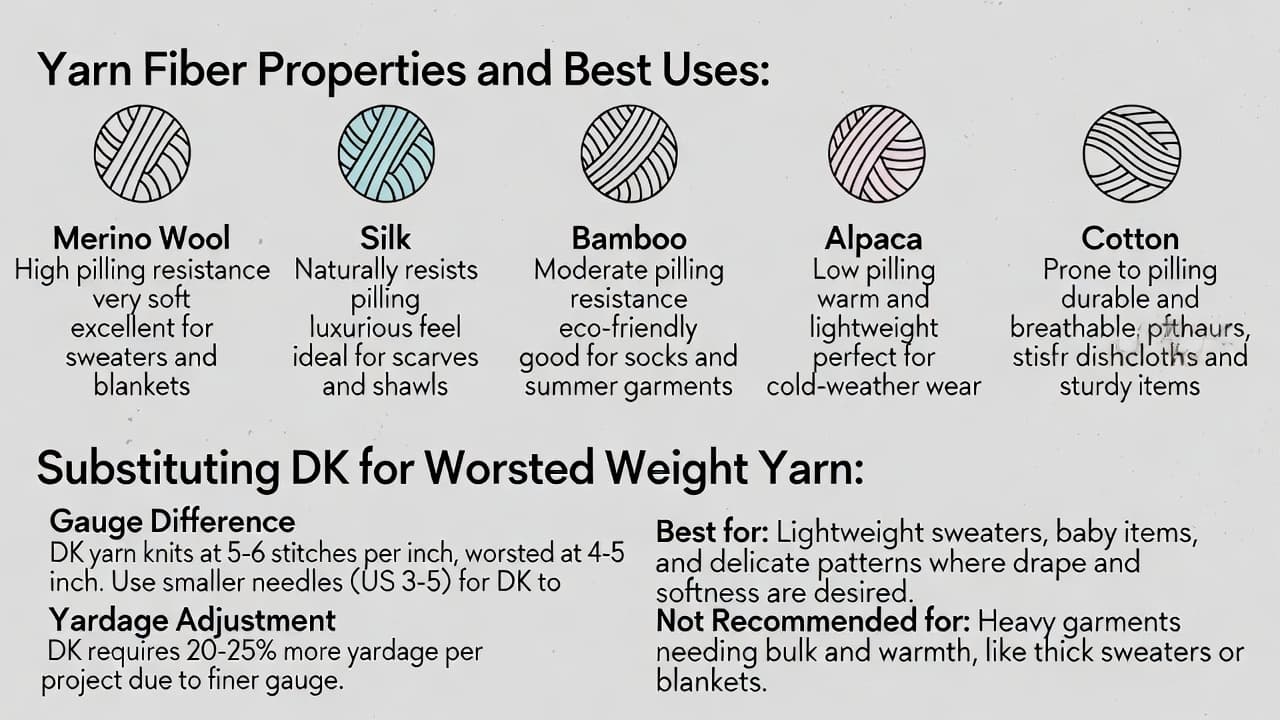
Pilling can make knitwear look worn. This guide covers five yarn types that resist pilling: merino w...

Yes, you can substitute DK for worsted, but gauge and yardage will change. This guide explains how t...

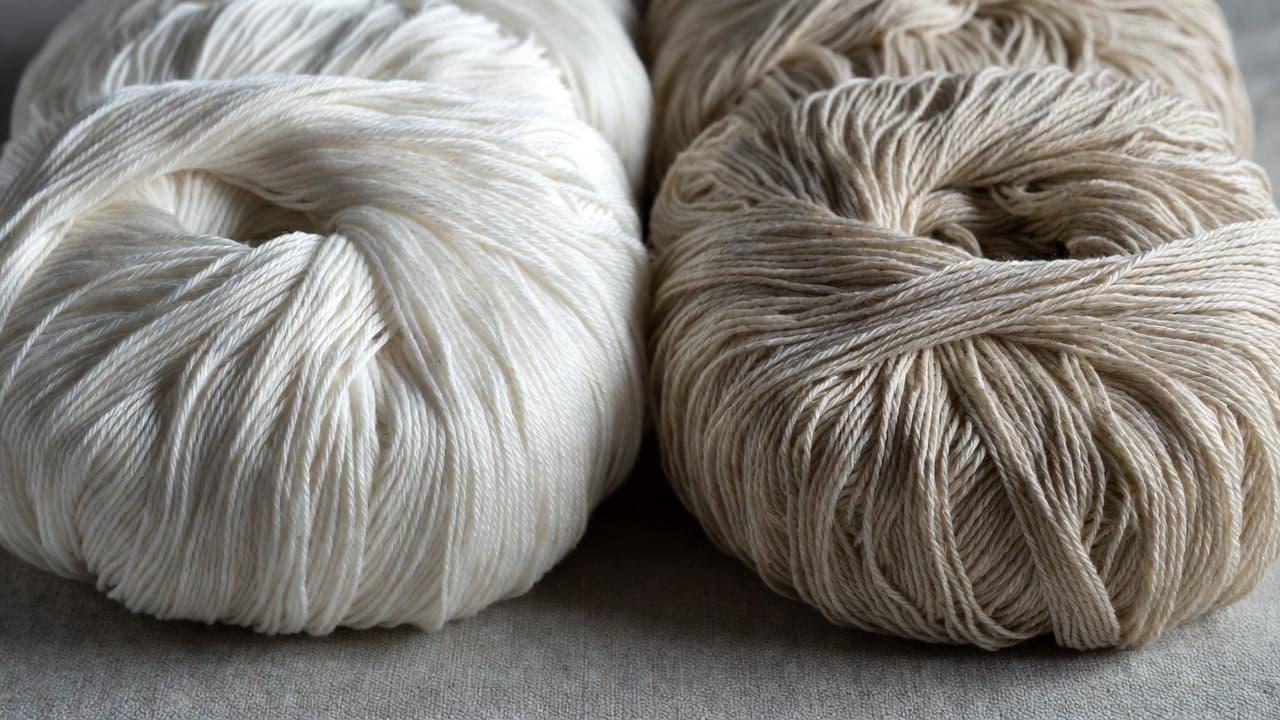
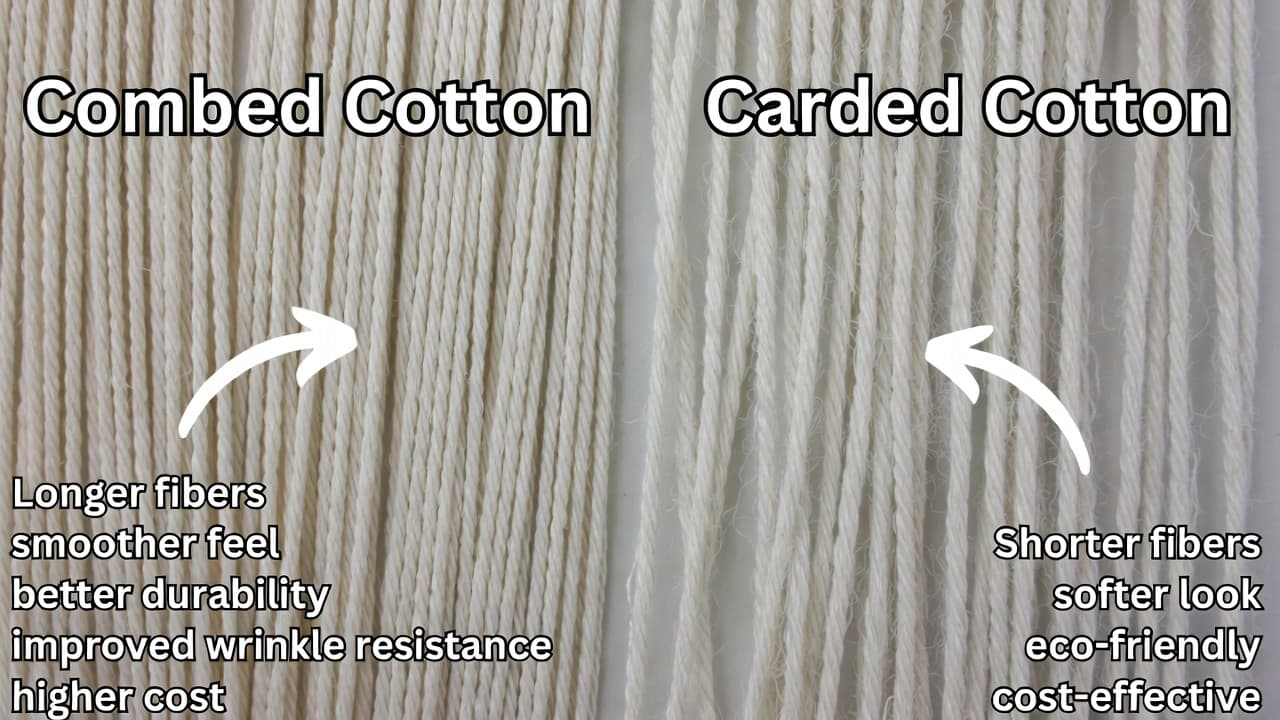
Combed cotton yarn has longer, neater fibers for better softness, durability, and wrinkle resistance...

Combed and carded cotton differ in processing, fiber length, strength, and cost. This guide explains...

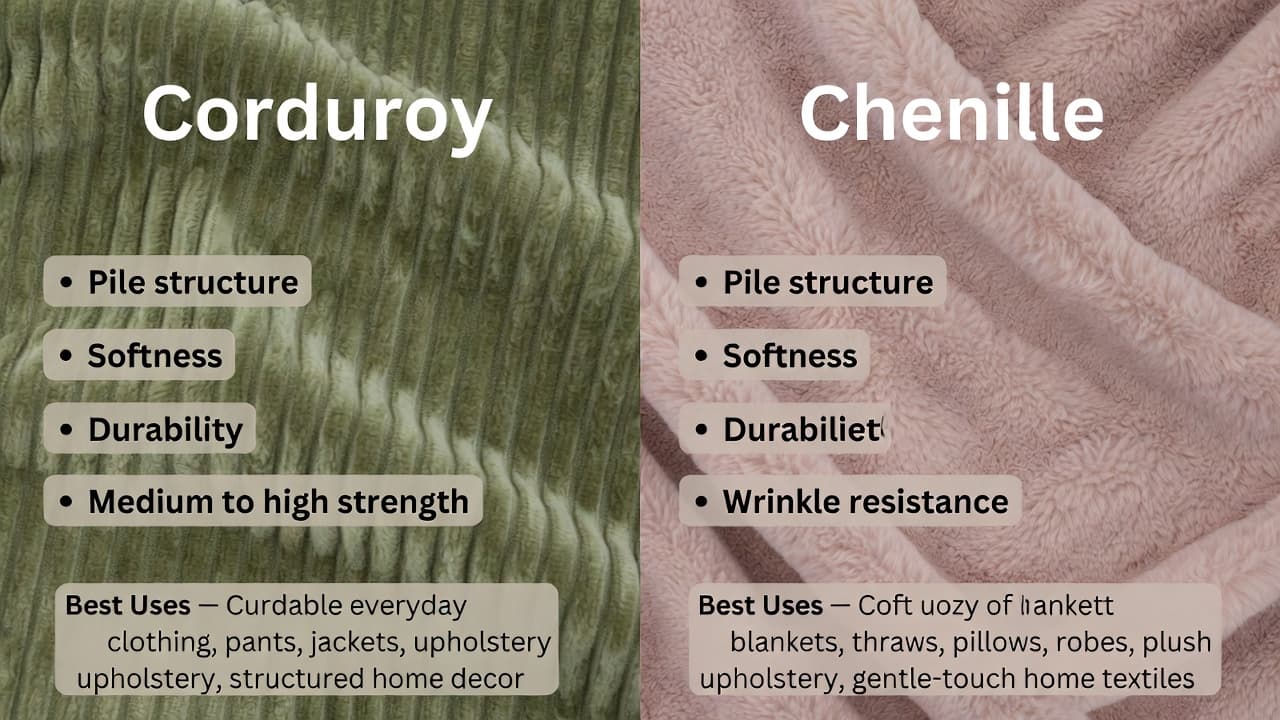
Corduroy and chenille are both textured fabrics, but they differ in structure, appearance, and best...

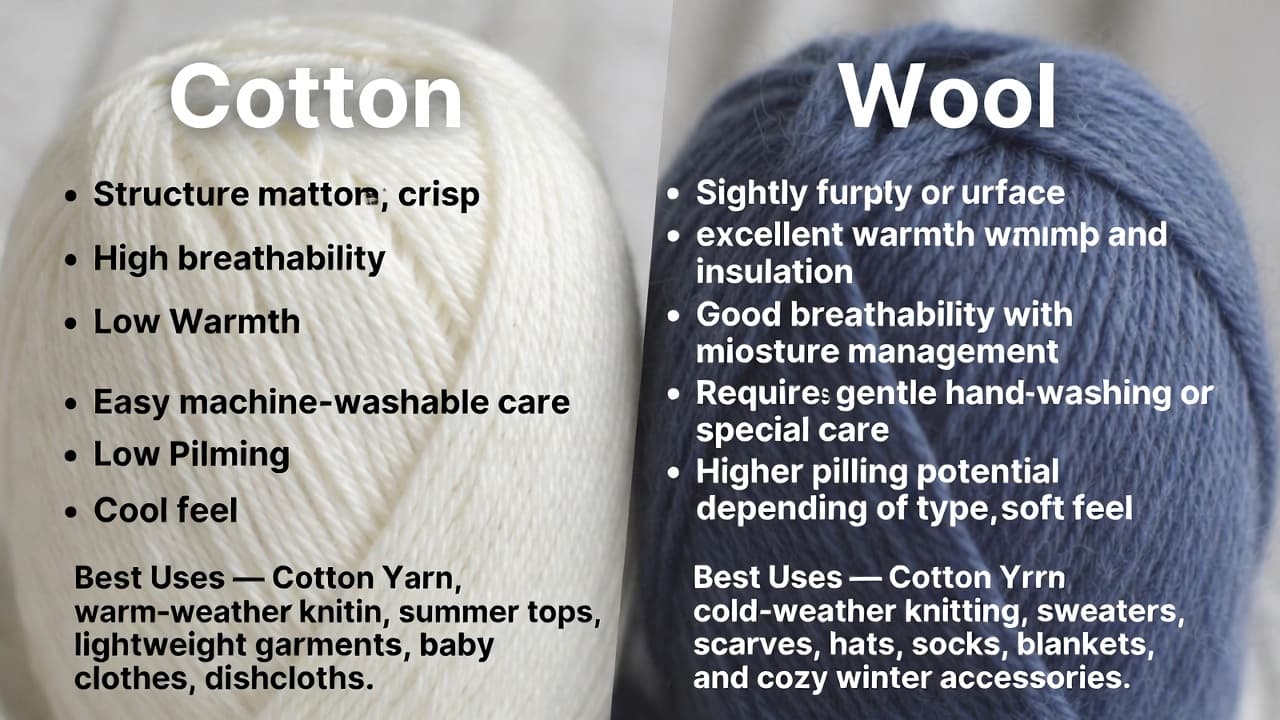
Cotton and wool serve different purposes. Cotton is breathable and ideal for warm weather; wool is w...

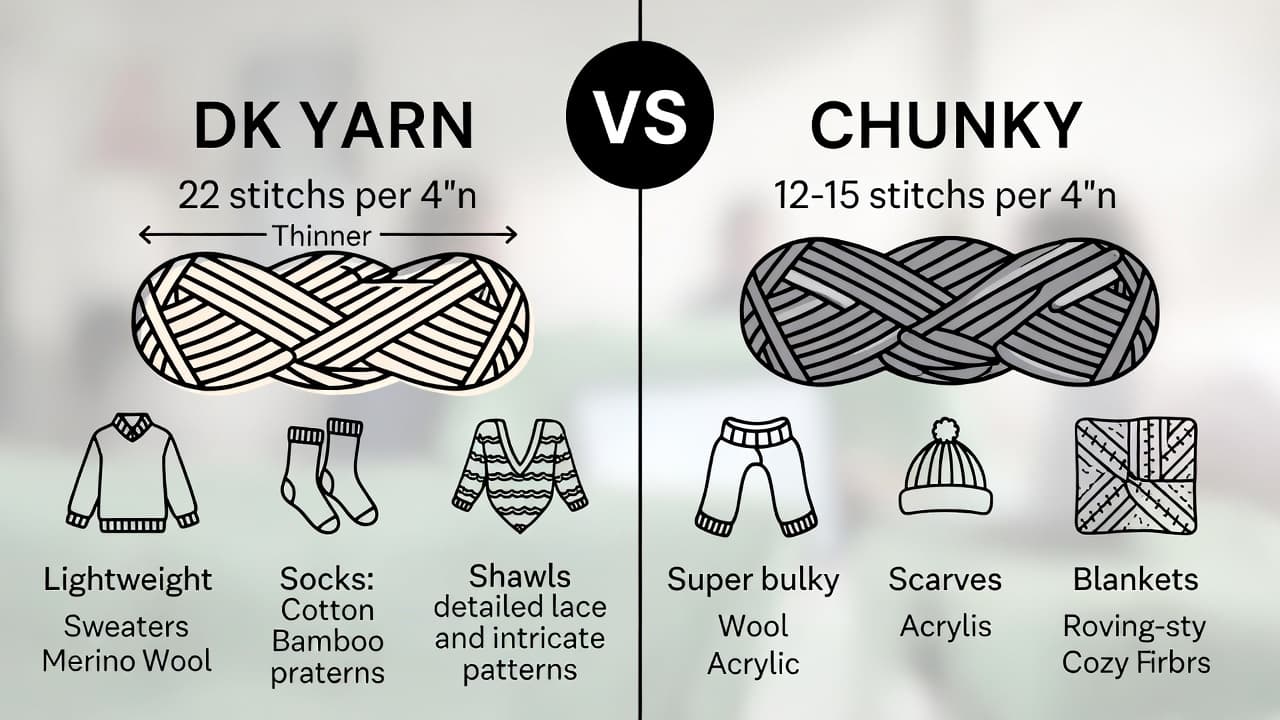
DK and chunky yarn differ in thickness, gauge, and best projects. This guide explains the difference...

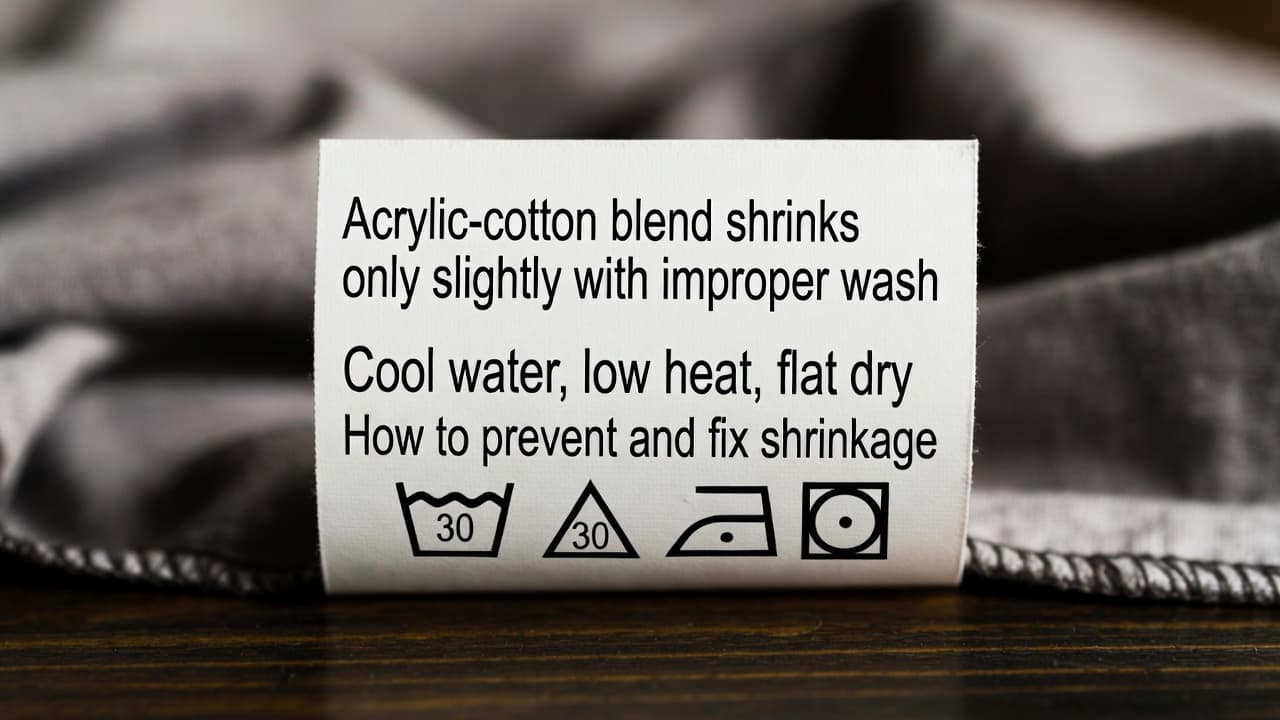
Acrylic–cotton mix yarn can shrink slightly if washed in hot water or dried on high heat; it does no...

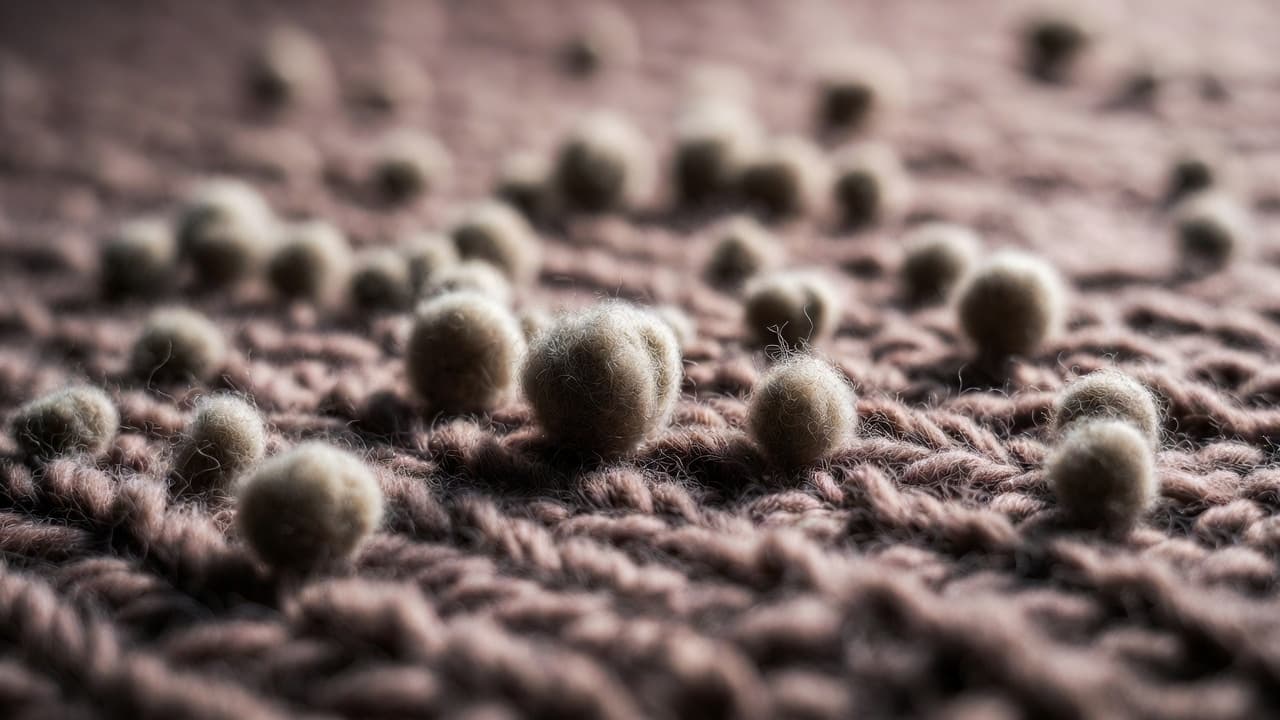
Not all wool yarn pills equally. Coarser, higher-micron wool with a tight twist pills less; finer wo...