
Sullivans International
Produkter
GarnStickning & Virkning
Om oss
Företagsprofil
Garn tillverkare
OEM och bulkleverans
Blogg
Amazon BÀstsÀljareGarninsikter
Nyheter
Senaste uppdateringar
Kontakta oss
sales@sullivansintl.com@sullivansintl
© 2026 Sullivans International (China) Co., Ltd.
Alla rÀttigheter förbehÄllna.
Hem/Blogg/Garninsikter/Is 100% Cotton Yarn Good for Socks? Pros, Cons & Alternatives
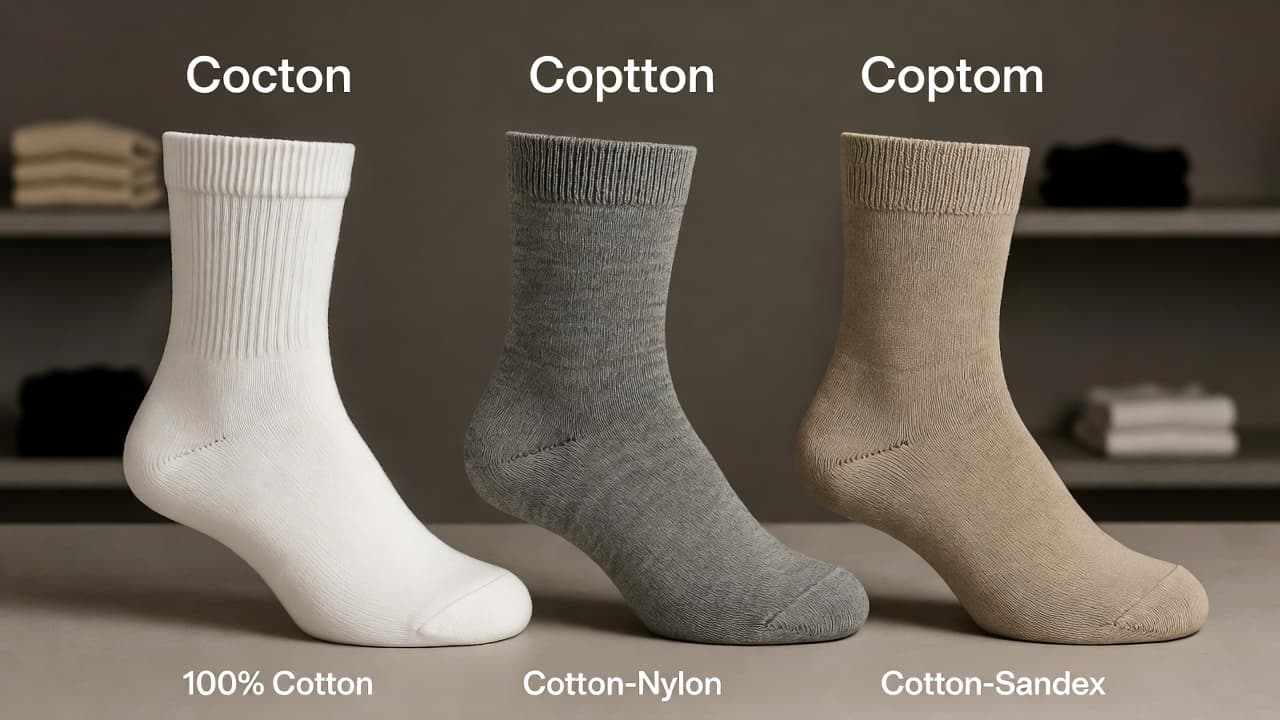
Cover Image for Is 100% Cotton Yarn Good for Socks? Pros, Cons & Alternatives

Is 100% Cotton Yarn Good for Socks? Pros, Cons & Alternatives

Sullivans International
March 1, 2026‱3 min read
Letar du efter bulkleverans eller OEM-garn?LĂ€s mer om vĂ„r tillverkningskapacitet →

100% cotton yarn is soft and breathable, but it has drawbacks for socks: less durability and elasticity than wool or nylon blends. The answer to "Is 100% cotton good for socks?" is yes for comfort and sensitivity, but blends often perform better for wear and fit.

In this guide, we compare cotton vs wool vs blends and when to choose each.


Pros of 100% Cotton Yarn for Socks

  • Soft and gentle—suitable for sensitive skin
  • Hypoallergenic—good for wool allergies
  • Highly absorbent—wicks moisture from skin
  • Breathable—helps keep feet dry
  • Natural fiber—no synthetics

Cons of 100% Cotton Yarn for Socks

  • Less durable than wool or nylon—may wear out faster
  • Less elasticity—socks can stretch out and lose shape
  • Not ideal for high-impact activities (running, hiking)
  • Can stay damp—cotton holds moisture when wet

Cotton vs Wool vs Blends for Socks

Aspect 100% Cotton Wool Cotton-Nylon/Spandex
Softness High High High
Durability Lower Higher Higher
Elasticity Lower Higher Higher
Moisture Absorbent, can stay damp Wicks, retains warmth when damp Varies
Best for Casual wear, sensitive skin Active wear, warmth Durability + comfort

When to Use 100% Cotton for Socks

  • Sensitive skin or wool allergies
  • Casual, low-impact wear
  • Warm weather—breathability matters
  • Comfort priority over longevity

When to Use Blends Instead

  • Cotton + nylon—adds strength and durability
  • Cotton + spandex—adds stretch and fit retention
  • Sock-specific yarns—often include reinforcements (e.g., nylon) in high-wear areas
  • Active wear—running, hiking, long walks

Final Thoughts

100% cotton is good for socks when softness and sensitivity matter. For durability, elasticity, and active use, cotton-nylon or cotton-spandex blends are often better. Consider intended use and wearer needs when choosing.


Frequently Asked Questions

Why do cotton socks stretch out?

Cotton has less elasticity than wool. It stretches when worn and may not fully bounce back, especially when wet.

Is wool better than cotton for socks?

Wool is often more durable, elastic, and moisture-wicking. Cotton is softer and better for those with wool allergies.

What is the best blend for sock yarn?

Cotton-nylon or wool-nylon blends are common. Nylon adds strength; spandex adds stretch. Look for sock-specific yarns with reinforcements.

Can I use 100% cotton for hiking socks?

Not ideal. Cotton stays damp and offers less cushioning. Wool or wool-nylon blends are better for hiking.


This article is part of our yarn knowledge series, offering practical insights into sock yarn selection and fiber performance.

Dela denna artikel

TwitterLinkedInFacebookEmail