
Sullivans International
Продукты
ПряжаВязание спицами и крючком
О нас
Профиль компании
Производитель пряжи
OEM и оптовые поставки
Блог
Бестселлеры AmazonОбзоры пряжи
Новости
Последние обновления
Связаться с нами
sales@sullivansintl.com@sullivansintl
© 2026 Sullivans International (China) Co., Ltd.
Все права защищены.
Главная/Блог/Обзоры пряжи/Why Is Mohair So Fuzzy? Fiber Structure and What Causes the Fluff
Cover Image for Why Is Mohair So Fuzzy? Fiber Structure and What Causes the Fluff

Why Is Mohair So Fuzzy? Fiber Structure and What Causes the Fluff

Sullivans International
March 1, 2026•4 min read
Ищете оптовые поставки или OEM пряжи?Подробнее о наших производственных возможностях →

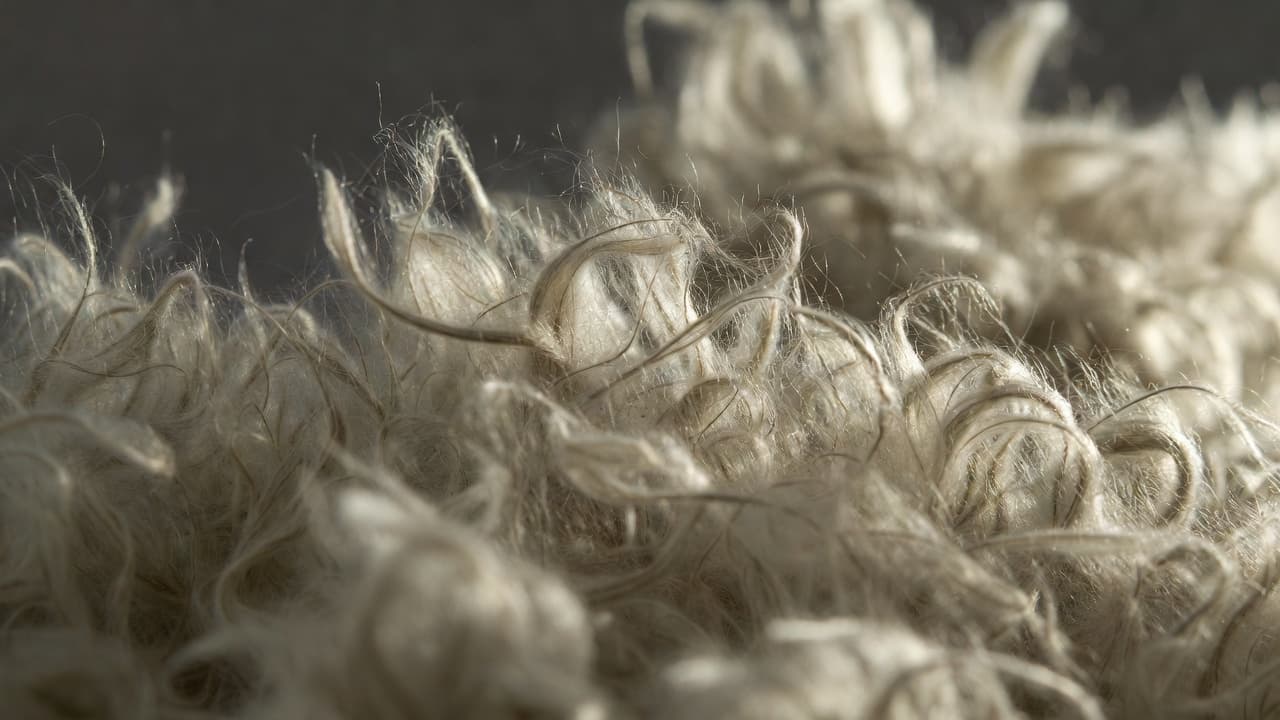
Mohair is a natural fiber from the Angora goat (not the angora rabbit). It is known for a fluffy, fuzzy texture and silky lustre. Mohair is fuzzy because of its fiber shape, cuticle structure, processing, and the genetics of the Angora goat—factors that make fibers stand up and form a soft, fuzzy surface.

This guide explains why mohair is so fuzzy and what that means for how it looks and behaves.


What Is Mohair?

Mohair is hair from the Angora goat, a breed originally from Turkey. The fiber is long, smooth, tapered, and lustrous. Unlike sheep’s wool, mohair has minimal crimp and a smoother surface, which contributes to its shine and distinctive fuzzy hand when the cuticles lift.


Why Is Mohair So Fuzzy?

1. Fiber Structure

  • Mohair fibers are long, smooth, and tapered—different from the crimped structure of sheep’s wool.
  • This shape and surface smoothness allow light to reflect in a lustrous way and let fibers stand away from the yarn or fabric, adding to the fuzzy effect.

2. Cuticles

  • Mohair fibers have a thin outer layer of cuticles that protect the fiber and add lustre.
  • These cuticles are delicate and can lift or detach from the fiber. When they stand up, they create a fluffy, fuzzy surface—one of the main reasons mohair feels and looks fuzzy.

3. Processing

  • Mohair is often scoured (washed) in hot water to remove grease and impurities and to soften the fiber.
  • During this process, some cuticles can be loosened or stripped, so more fiber ends and scales stick out, making the material even fuzzier and more textured.

4. Angora Goat Genetics

  • Angora goats are bred for a thick, curly coat that traps air and insulates in cold weather.
  • Their fibers are naturally fluffy and warm, which carries through into the yarn and fabric and reinforces the fuzzy character of mohair.

Key Characteristics of Mohair

Feature Mohair
Source Angora goat
Fiber shape Long, smooth, tapered
Surface Cuticles can lift → fuzziness
Lustre High (smooth, reflective)
Typical use Sweaters, scarves, luxury knits

Mohair Fuzzy Texture: Pros and Considerations

Advantages

  • Soft, fluffy hand prized in fashion and knitwear.
  • Warm and light; good drape when blended or used in fine yarns.
  • Distinctive look for sweaters, scarves, and accessories.

Considerations

  • Fuzz can shed or catch on rough surfaces; some people find it itchy if used next to skin in heavy constructions.
  • Care: Gentle washing and avoiding high heat help preserve the fiber and reduce shedding.

Final Thoughts

Mohair is so fuzzy because of its long, smooth fiber structure, delicate cuticles that lift and stand up, processing (e.g. hot washing) that can loosen cuticles, and Angora goat genetics that produce naturally fluffy, insulating fiber. Together, these give mohair its characteristic fluffy, fuzzy texture and silky lustre.


Frequently Asked Questions

Is mohair from a goat or a rabbit?

Mohair comes from the Angora goat. Fiber from the angora rabbit is usually called angora (or angora wool), not mohair.

Why does mohair feel different from sheep's wool?

Mohair has smoother, less crimped fibers and cuticles that lift, giving a fuzzy, lustrous hand. Sheep’s wool is more crimped and can feel more compact and sometimes scratchier.

Can you reduce mohair fuzziness?

Processing and wear affect fuzz. Gentle washing, low agitation, and avoiding harsh chemicals help preserve the fiber. You cannot remove the inherent fuzziness of mohair without changing the fiber itself.


This article is part of our yarn knowledge series, offering practical insights into luxury fibers and mohair for knitters and crocheters.

Поделиться этой статьей

TwitterLinkedInFacebookEmail