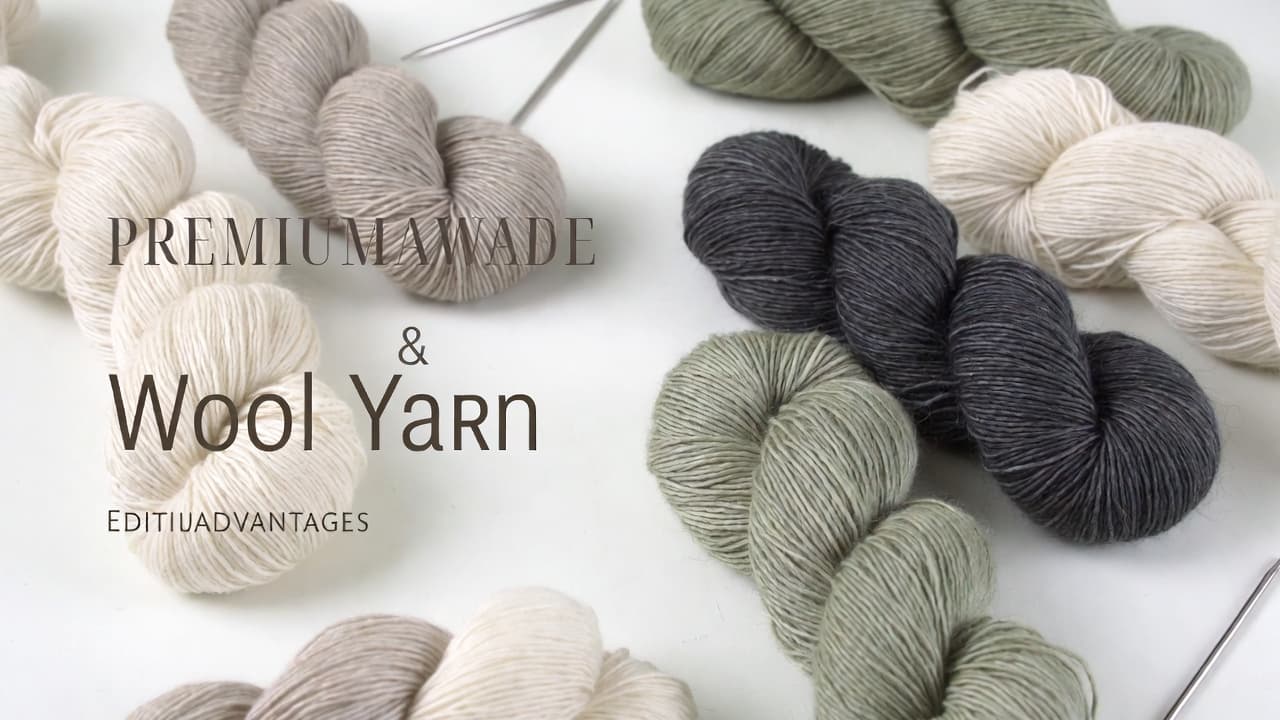
O fio de lã é fio feito de lã natural pura. Passa por várias etapas de processamento que preservam o carácter da fibra e conferem calor, maciez, respirabilidade e durabilidade. Como qualquer fibra, tem vantagens e limitações consoante o projeto e os cuidados.
Neste guia descrevemos as vantagens e desvantagens do fio de lã para escolher e cuidar com critério.
O fio de lã é um produto de fio feito de lã natural pura. A produção mantém o carácter original da fibra e oferece maciez, calor, respirabilidade e boa resistência ao desgaste. A lã é uma fibra natural e renovável e pode ser tingida numa ampla gama de cores.
O fio de lã é feito de lã de qualidade e é macio e agradável ao toque. É ideal para tricotar camisolas, cachecóis, gorros, luvas e outras peças que beneficiam de uma mão delicada.
A fibra de lã isola bem e retém o calor corporal. As peças em fio de lã oferecem bom calor e são confortáveis de usar ou como mantas em tempo frio.
A lã absorve humidade e liberta-a, ajudando a manter o corpo seco e confortável. Isto torna as peças em fio de lã adequadas para ambientes húmidos (ex. zonas costeiras ou húmidas) e para camadas.
A estrutura fibrosa compacta da lã torna as peças em fio de lã relativamente resistentes ao desgaste. Com os cuidados adequados, mantêm boa forma e são menos propensas ao pilling ou deformação que muitos fios mais macios e finos.
O fio de lã serve para camisolas, cachecóis, gorros, luvas e muitos padrões de pontos. A mão e o caimento favorecem designs detalhados e atraentes e um equilíbrio entre calor e estilo.
A maciez e hidrofilia da lã permitem tingi-la em muitas cores. Pode ajustar-se às preferências pessoais e às necessidades do projeto.
A lã é um recurso natural e renovável. O fio de lã puro não contém fibra química nem sintética na fibra em si e tem um perfil ambiental distinto das sintéticas derivadas do petróleo.
A proteína da lã contém ácido aspártico, associado a efeitos antibacterianos. O fio de lã pode ajudar a limitar o crescimento bacteriano e o odor em vestuário e têxteis para o lar.
O fio de lã é geralmente mais caro que o acrílico ou muitos fios de algodão. Lã virgem ou especializada custa mais que misturas ou linhas económicas.
Muitos fios de lã encolhem ou feltram com lavagens agressivas ou calor. Muitas vezes requerem lavagem à mão suave, água fria e secagem plana; alguns não são laváveis na máquina salvo indicação superwash.
A lã mais fina e macia (ex. merino) pode fazer pilling com fricção em zonas de desgaste. Torção firme e cuidados adequados ajudam a reduzir o pilling.
Algumas pessoas são sensíveis ou alérgicas à lã. Opções superwash ou misturas podem ajudar; outras devem escolher fibras alternativas.
| Aspeto | Vantagem / desvantagem |
|---|---|
| Calor | ✓ Excelente isolamento |
| Respirabilidade | ✓ Boa gestão da humidade |
| Maciez | ✓ Lã de qualidade é macia |
| Durabilidade | ✓ Resistente ao desgaste, dura com cuidados |
| Tingibilidade | ✓ Ampla gama de cores |
| Sustentabilidade | ✓ Natural, renovável |
| Custo | ✗ Muitas vezes mais alto que sintéticos |
| Cuidados | ✗ Muitas vezes lavagem à mão, sem calor alto |
| Pilling | ✗ Lãs finas podem fazer pilling |
| Sensibilidade | ✗ Algumas pessoas alérgicas ou sensíveis |
O fio de lã oferece calor, maciez, respirabilidade, durabilidade e tingibilidade e é uma escolha natural e renovável. As desvantagens incluem maior custo, lavagem mais cuidadosa e possível pilling ou sensibilidade. Avalie o uso do projeto, hábitos de cuidados e orçamento ao escolher lã face a outras fibras.
O fio de lã é quente, respirável, macio, durável e tingível. É uma fibra natural e renovável com boa gestão da humidade e certos benefícios antibacterianos.
A lã é muitas vezes mais cara, requer cuidados mais suaves (muitas vezes lavagem à mão), pode fazer pilling (especialmente tipos finos) e algumas pessoas são sensíveis ou alérgicas.
Sim, se o principiante estiver disposto a seguir as instruções de cuidados. A lã é indulgente ao tricotar e produz peças quentes e duráveis. Escolha uma lã lisa de torção média para manuseamento mais fácil.
Este artigo faz parte da nossa série de conhecimento sobre fibras, com informações práticas sobre tipos de lã, prós e contras e seleção de projetos para tricotadores e crocheteiros.