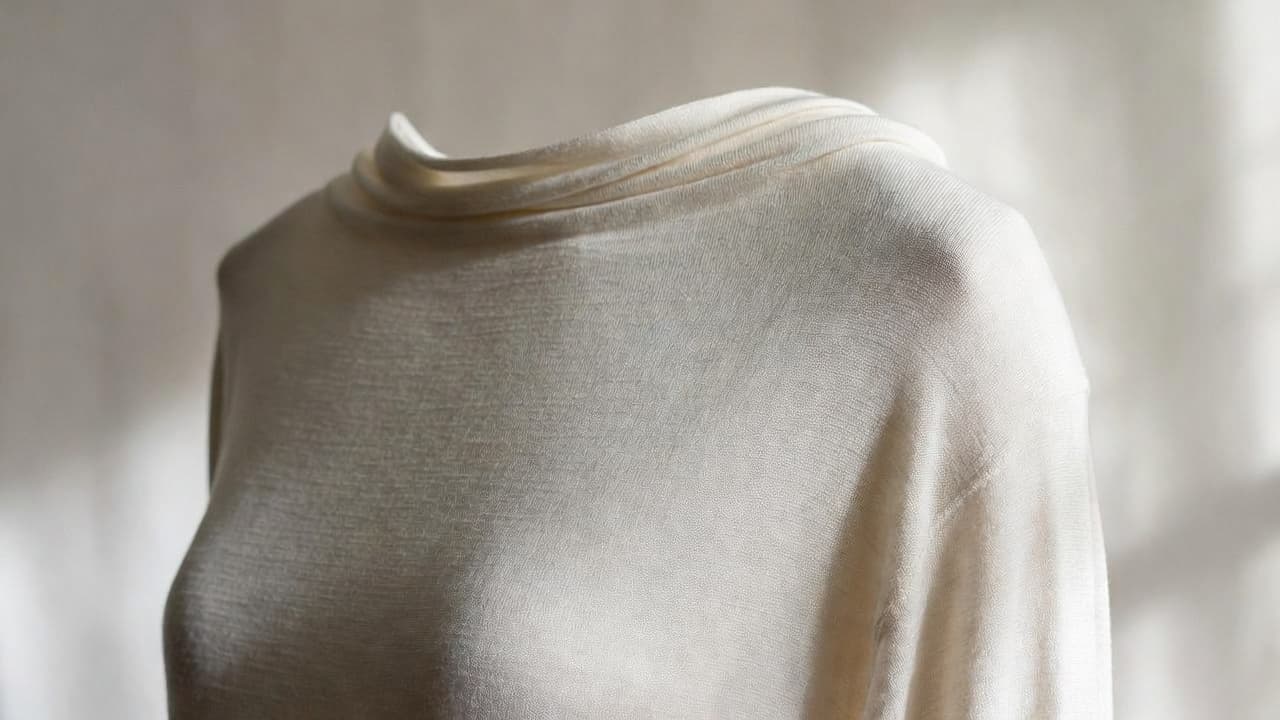

메리노 울은 라놀린(섬유를 덮는 천연 왁스로 항균 작용이 있고 오염과 습기를 밀어내는 데 도움), 일부 합성 섬유처럼 박테리아를 가두지 않는 매끄러운 섬유, 그리고 땀을 피부에서 멀리 보내는 흡습·속건성 덕분에 냄새가 잘 배지 않는 경향이 있습니다. 그 결과 메리노 제품은 세탁 사이 간격을 길게 가져갈 수 있고 활동 중에도 더 상쾌함을 유지합니다.
본 가이드에서는 메리노 울이 냄새가 나지 않는(또는 덜 나는) 이유와 관리 방법을 설명합니다.
메리노는 메리노 양에서 나오며 가늘고 부드러운 양모를 생산합니다. 냄새를 줄이는 요인이 여러 가지 있습니다.
메리노 섬유는 양이 분비하는 라놀린—왁스—으로 코팅되어 있습니다. 라놀린은 천연 항균 작용이 있으며 오염과 습기를 밀어내는 데 도움이 됩니다. 이 코팅이 냄새를 유발하는 박테리아의 성장을 제한하여 메리노는 더 오래 상쾌함을 유지하고 세탁 빈도를 줄일 수 있습니다.
메리노 섬유는 비교적 매끄럽고 일부 합성 직물처럼 박테리아나 냄새 유발 물질을 가두지 않습니다. 따라서 박테리아가 증식해 불쾌한 냄새를 내기 어렵습니다.
메리노는 땀(습기)을 피부에서 멀리 보내고 체온을 조절합니다. 땀이 피부나 직물에 남으면 박테리아가 자라 냄새를 유발할 수 있습니다. 메리노의 흡습·속건성은 직물 표면에 습기가 쌓이는 것을 막아 냄새를 줄입니다.
| 항목 | 메리노 울 | 많은 합성 섬유 |
|---|---|---|
| 냄새 | 저항 (라놀린, 흡습·속건) | 박테리아와 냄새를 가둘 수 있음 |
| 습기 | 배출 | 제품마다 다르지만 습기를 잡는 경우가 많음 |
| 세탁 빈도 | 덜 자주 | 더 자주인 경우가 많음 |
| 내구성 | 적절한 관리 시 오래 지속 | 더 빨리 손상될 수 있음 |
메리노 울은 라놀린(항균·방수), 박테리아를 가두지 않는 매끄러운 섬유, 땀이 오래 머물지 않게 하는 흡습·속건성 덕분에 냄새가 나지 않거나(덜 납니다). 따라서 세탁을 줄이면서 상쾌함을 원하는 액티브웨어, 베이스 레이어, 여행에 이상적입니다.
섬유 위의 라놀린은 항균이며 오염과 습기를 밀어냅니다; 매끄러운 섬유는 일부 합성 섬유처럼 박테리아를 가두지 않습니다; 흡습·속건성이 땀을 멀리 보내 냄새 유발 박테리가 번성하기 어렵게 합니다. 결과: 냄새 감소, 세탁 간격 연장.
네. 메리노의 냄새 저항과 습기 관리 덕분에 세탁 전에 여러 번 착용할 수 있습니다. 가능하면 착용 사이에 통풍시키세요.
메리노의 라놀린에는 항균 성질이 있어 냄새 유발 박테리아를 제한하는 데 도움이 됩니다. 섬유 구조와 흡습·속건성도 박테리아 증식에 유리한 조건을 줄입니다.
본 문서는 메리노 울의 특성과 관리에 대한 실용적 통찰을 제공하는 실 타입 지식 시리즈의 일부입니다.