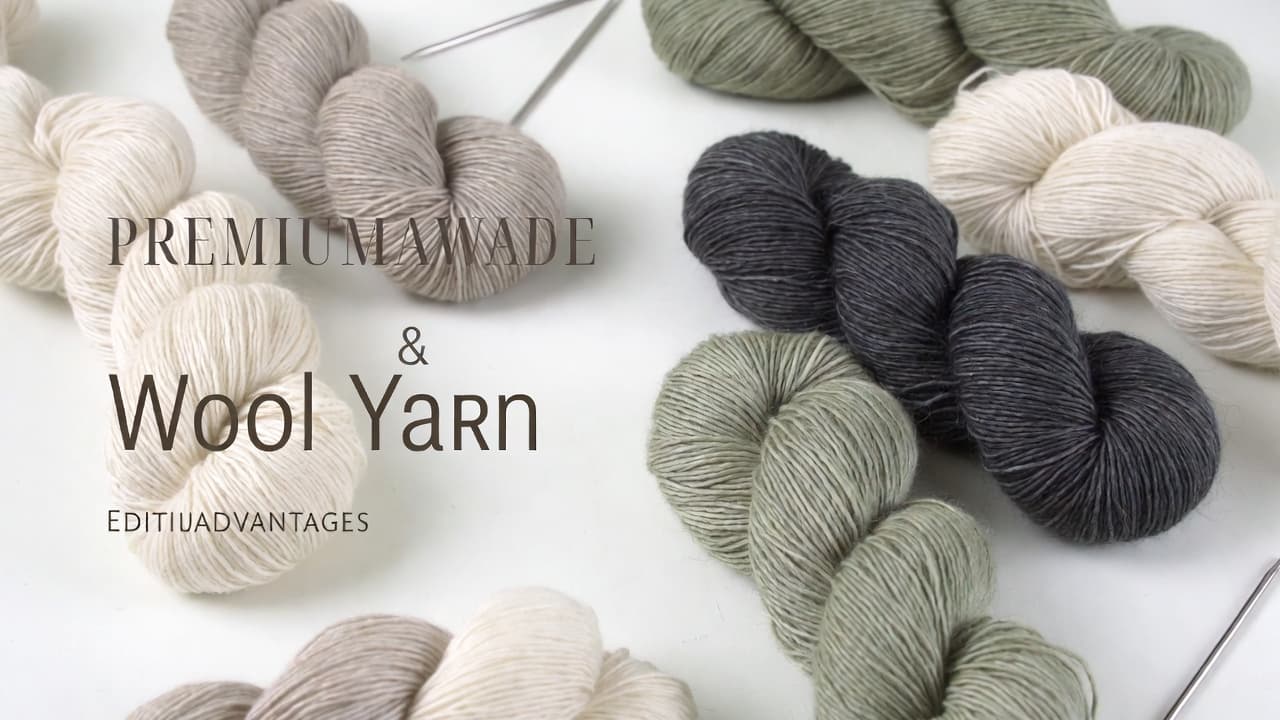
Wool yarn is yarn made from pure natural wool. It goes through multiple processing steps that preserve the character of the fiber and give it warmth, softness, breathability, and durability. Like any fiber, it has both advantages and limitations depending on project and care.
In this guide, we outline the advantages and disadvantages of wool yarn so you can choose and care for it wisely.
Wool yarn is a yarn product made from pure natural wool. Its production keeps the original character of the fiber and delivers softness, warmth, breathability, and good wear resistance. Wool is a natural, renewable fiber and can be dyed into a wide range of colors.
Wool yarn is made from quality wool and is soft and pleasant to touch. It is well suited to knitting sweaters, scarves, hats, gloves, and other items that benefit from a delicate hand.
Wool fiber insulates well and holds body heat. Wool yarn knits provide good warmth and are comfortable to wear or use as blankets in cold weather.
Wool absorbs moisture and releases it, helping keep the body dry and comfortable. This makes wool yarn items suitable for humid environments (e.g. coastal or damp areas) and for layering.
Woolโs tight fiber structure makes wool yarn knits relatively wear-resistant. With proper care, they can stay in good shape and are less prone to pilling or deforming than many softer, finer yarns.
Wool yarn can be used for sweaters, scarves, hats, gloves, and many stitch patterns. Its hand and drape support detailed, attractive designs and a balance of warmth and style.
Woolโs softness and hydrophilicity allow it to be dyed in many colors. You can match personal preference and project needs.
Wool is a natural, renewable resource. Pure wool yarn contains no chemical or synthetic fiber in the fiber itself and has a different environmental profile than oil-based synthetics.
Wool protein contains aspartic acid, which is associated with antibacterial effects. Wool yarn can help limit bacterial growth and odor when used in garments and home textiles.
Wool yarn is generally more expensive than acrylic or many cotton yarns. Virgin or specialty wools cost more than blended or economy lines.
Many wool yarns shrink or felt with harsh washing or heat. They often require gentle hand washing, cool water, and flat drying; some are not machine washable unless labeled superwash.
Finer, softer wool (e.g. merino) can pill with friction in high-wear areas. Tight twist and proper care help reduce pilling.
Some people are sensitive or allergic to wool. Superwash or blended options may help; others may need to choose alternative fibers.
| Aspect | Advantage / Disadvantage |
|---|---|
| Warmth | โ Excellent insulation |
| Breathability | โ Good moisture management |
| Softness | โ Quality wool is soft |
| Durability | โ Wear-resistant, can last with care |
| Dyeability | โ Wide color range |
| Sustainability | โ Natural, renewable |
| Cost | โ Often higher than synthetics |
| Care | โ Often hand wash, no high heat |
| Pilling | โ Finer wools can pill |
| Sensitivity | โ Some people allergic or sensitive |
Wool yarn offers warmth, softness, breathability, durability, and dyeability and is a natural, renewable choice. Drawbacks include higher cost, more careful laundering, and possible pilling or sensitivity. Weigh project use, care habits, and budget when choosing wool vs other fibers.
Wool yarn is warm, breathable, soft, durable, and dyeable. It is a natural, renewable fiber with good moisture management and some antibacterial benefits.
Wool is often more expensive, requires gentler care (often hand wash), can pill (especially finer types), and some people are sensitive or allergic to it.
Yes, if the beginner is willing to follow care instructions. Wool is forgiving to knit with and produces warm, durable items. Choose a smooth, medium-twist wool for easier handling.
This article is part of our yarn knowledge series, offering practical insights into wool types, pros and cons, and project selection for knitters and crocheters.