Sullivans International
Productos
HiloTejido y crochet
Sobre Nosotros
Perfil de la Empresa
Fabricante de hilos
OEM y suministro a granel
Blog
Los Más Vendidos de AmazonInformación sobre hilos
Noticias
Últimas Actualizaciones
Contáctenos
sales@sullivansintl.com@sullivansintl
© 2026 Sullivans International (China) Co., Ltd.
Todos los derechos reservados.
Inicio/Blog/Información sobre hilos/Is Recycled Cotton Yarn Good? Pros, Cons & When to Use
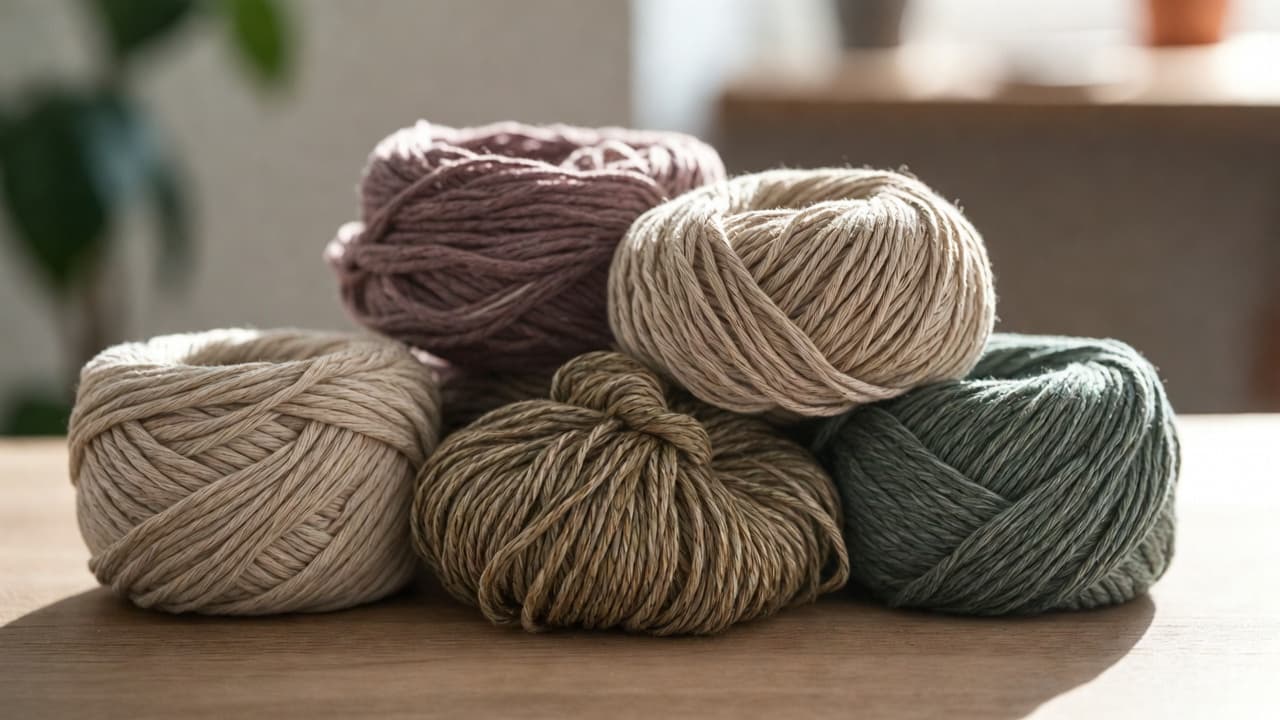
Cover Image for Is Recycled Cotton Yarn Good? Pros, Cons & When to Use

Is Recycled Cotton Yarn Good? Pros, Cons & When to Use

Sullivans International
March 1, 2026•3 min read
Looking for bulk supply or OEM yarn?Learn more about our manufacturing capabilities →

Recycled cotton yarn is made from textile scraps and leftovers, reducing waste and resource use. Whether it is "good" depends on your priorities: sustainability and cost vs consistent texture and quality.

In this guide, we cover pros, cons, and when to use recycled cotton yarn.


What Is Recycled Cotton Yarn?

Recycled cotton yarn is produced from post-industrial or post-consumer cotton—scraps, cuttings, and used textiles—that are shredded and respun into new yarn. It reduces landfill waste and uses less water and energy than virgin cotton production.


Pros of Recycled Cotton Yarn

1. Environmentally Friendly

  • Reduces textile waste—diverts scraps from landfills
  • Lower resource use—less water and energy than virgin cotton
  • Supports circular economy—extends fiber life

2. Cost-Effective

  • Often less expensive than virgin cotton
  • Lower production cost—less intensive processing

3. Unique Colors and Textures

  • Multi-colored or heathered effects from mixed scraps
  • Distinct look—may not be available in virgin cotton

Cons of Recycled Cotton Yarn

1. Irregularities

  • Variable texture and thickness—scraps can differ
  • Harder to get consistent results in structured projects
  • May require more careful tension control

2. Limited Availability

  • Less widely available than virgin cotton
  • Fewer color and weight options
  • May not find exact match for a pattern

3. Potential Quality Loss

  • Shorter fibers after recycling—can affect strength
  • Less soft or less durable than high-grade virgin cotton
  • More prone to pilling in some cases

Recycled vs Virgin Cotton

Aspect Recycled Cotton Virgin Cotton
Environmental impact Lower Higher
Cost Often lower Often higher
Texture Can be irregular More uniform
Softness May be less Typically higher
Color options Limited, unique Wide range
Availability Limited Wide

When to Use Recycled Cotton Yarn

Good For:

  • Eco-conscious projects
  • Budget-friendly knitting or crochet
  • Casual, textured items where irregularity is acceptable
  • Rugged or rustic projects

Consider Alternatives When:

  • Uniform texture is critical
  • Specific colors are required
  • Maximum softness or durability is needed
  • Complex patterns need consistent gauge

Final Thoughts

Recycled cotton yarn is good for sustainability and cost, but may have irregular texture and limited availability. For eco-friendly and budget projects, it is a solid choice. For precise, high-end work, virgin cotton may be better. Choose based on project needs and priorities.


Frequently Asked Questions

Is recycled cotton yarn as soft as virgin cotton?

Recycled cotton can be less soft due to shorter fibers. Quality varies by brand and process.

Does recycled cotton pill more?

Recycled cotton can pill more than high-quality virgin cotton due to shorter fibers. Quality varies.

Where can I buy recycled cotton yarn?

Check eco-friendly yarn brands, craft stores with sustainable lines, and online retailers. Availability is growing but still limited compared to virgin cotton.

Can I use recycled cotton for baby items?

Yes, if the yarn meets safety standards. Check for certifications and labels. Ensure it is soft enough for sensitive skin.


This article is part of our yarn knowledge series, offering practical insights into sustainable fiber options and project selection.

Compartir este artículo

TwitterLinkedInFacebookEmail