
Sullivans International
Products
YarnKnitting & Crochet
About Us
Company Profile
Yarn Manufacturer
OEM & Bulk Supply
Blog
Amazon Best SellersYarn Insights
News
Latest Updates
Contact Us
sales@sullivansintl.com@sullivansintl
© 2026 Sullivans International (China) Co., Ltd.
All rights reserved.
Home/Blog/Yarn Insights/What Is Anti-Pilling Yarn? How It Works and When to Use It
Cover Image for What Is Anti-Pilling Yarn? How It Works and When to Use It

What Is Anti-Pilling Yarn? How It Works and When to Use It

Sullivans International
March 1, 2026•4 min read
Looking for bulk supply or OEM yarn?Learn more about our manufacturing capabilities →

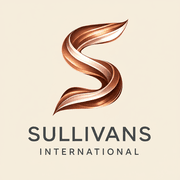
Anti-pilling yarn is yarn that is designed to resist pilling�the formation of small fiber balls on the fabric surface�through spinning process (e.g. vortex, ring-spun, compact, siro-spun) or fiber selection. Some anti-pilling yarns also offer anti-static properties. Pilling resistance is often reported on a grade scale (e.g. 3�4, where higher is better).

In this guide, we explain what anti-pilling yarn is, how it works, and when to use it.


What Is Anti-Pilling Yarn?

Anti-pilling yarn is yarn produced by spinning processes or fiber choices that reduce pilling. Pilling occurs when loose or broken fibers tangle into small balls on the surface after friction. Anti-pilling yarns minimize this by reducing hairiness, holding fibers firmly in the structure, or using fibers that resist breaking. Some types reach grade 4�5 (excellent) or grade 3�4 (good) in pilling tests.

Key Characteristics of Anti-Pilling Yarn

  • Reduced pilling: Higher pilling grade than conventional yarns of similar count.
  • Spinning-dependent: Vortex, ring-spun (including compact), and siro-spun can all be used; vortex often gives lower hairiness and strong anti-pilling.
  • Optional anti-static: Some anti-pilling yarns are also anti-static.
  • Stiffer hand (vortex): Vortex-spun anti-pilling yarn can be stiffer than ring-spun, which may affect drape and softness.

How Does Anti-Pilling Yarn Work?

Pilling is reduced by:

  1. Lower hairiness: Fewer protruding fibers mean less material to form pills. Vortex-spun yarn can have 12�15% less hairiness than ring-spun and compact-spun yarns.
  2. Fiber binding: Tighter or more integrated structure holds fibers in place so they are less likely to break and pill.
  3. Fiber type: Some synthetic or treated fibers resist breaking and pilling better than fine, fragile staples.

Spinning method affects the result:

Spinning type Anti-pilling effect (typical) Notes
Ring-spun (e.g. 40s polyester) Grade 4�5 (with anti-pilling treatment) Can combine with anti-pilling/anti-static finish
Vortex (acrylic, viscose, polyester, cotton) Grade 3�4 Low hairiness, good anti-pilling; yarn stiffer
Siro-spun Slightly worse than vortex Softer hand possible
Compact-spun Slightly worse than vortex Better than conventional ring-spun

Vortex Spinning Anti-Pilling Yarn: Advantages

Vortex-spun anti-pilling yarns are common in apparel and home textiles. Typical advantages:

  • Stiffness: Yarn is stiffer, which can improve crispness and shape in some fabrics.
  • Low hairiness: 12�15% less hairiness than ring-spun and compact-spun yarns, which supports pilling resistance.
  • Good anti-pilling: Often achieves grade 3�4 pilling performance.
  • Moisture management: Can offer good moisture absorption and quick drying depending on fiber (e.g. cotton, viscose).

When to Choose Anti-Pilling Yarn

Choose Anti-Pilling Yarn If You Want:

  • Garments or fabrics that stay smoother longer (e.g. sweaters, cardigans, blankets).
  • Less pilling in high-friction areas (underarms, cuffs, collars).
  • Easy-care appearance with fewer pills to remove.
  • Technical or sporty fabrics where low hairiness and stability matter.

Consider Standard Yarn If:

  • You prefer maximum softness and are willing to accept more pilling or de-pill by hand.
  • Cost is a priority and pilling resistance is less critical.
  • You want very lofty, fuzzy hand (which often comes with more hairiness and pilling).

Anti-Pilling Yarn by the Numbers

  • Pilling grades: Often 3�4 (vortex, siro, compact) or 4�5 (treated ring-spun, e.g. 40s polyester).
  • Hairiness (vortex): About 12�15% lower than ring-spun and compact-spun.
  • Trade-off: Better anti-pilling often means slightly stiffer hand (especially vortex).

Final Thoughts

Anti-pilling yarn is yarn designed to resist pilling through spinning process (vortex, ring-spun, compact, siro-spun) or fiber/finish. Vortex-spun types offer low hairiness and grade 3�4 anti-pilling; some ring-spun anti-pilling yarns reach grade 4�5. Choose anti-pilling yarn when you want longer-lasting smoothness; accept that the softest, fuzziest yarns usually pill more.


Frequently Asked Questions

What is anti-pilling yarn?

Anti-pilling yarn is yarn made to resist pilling through spinning method (e.g. vortex, ring-spun) or fiber/finish. It often has lower hairiness and achieves higher pilling grades (e.g. 3�4) in tests.

Which spinning is best for anti-pilling?

Vortex-spun yarn often gives strong anti-pilling (grade 3�4) and 12�15% less hairiness than ring-spun. Treated ring-spun (e.g. 40s polyester) can reach grade 4�5. Siro and compact are slightly worse than vortex but better than conventional ring-spun.

Is anti-pilling yarn softer?

Not necessarily. Vortex anti-pilling yarn tends to be stiffer; ring-spun or compact can be softer. Anti-pilling is about pilling resistance, not softness�choose by hand feel and project needs.


This article is part of our yarn knowledge series, offering practical insights into yarn construction, pilling, and selection for knitters and fabric buyers.
Share this article

TwitterLinkedInFacebookEmail